Wellness without Excess: Return to the Body, not to Perfection
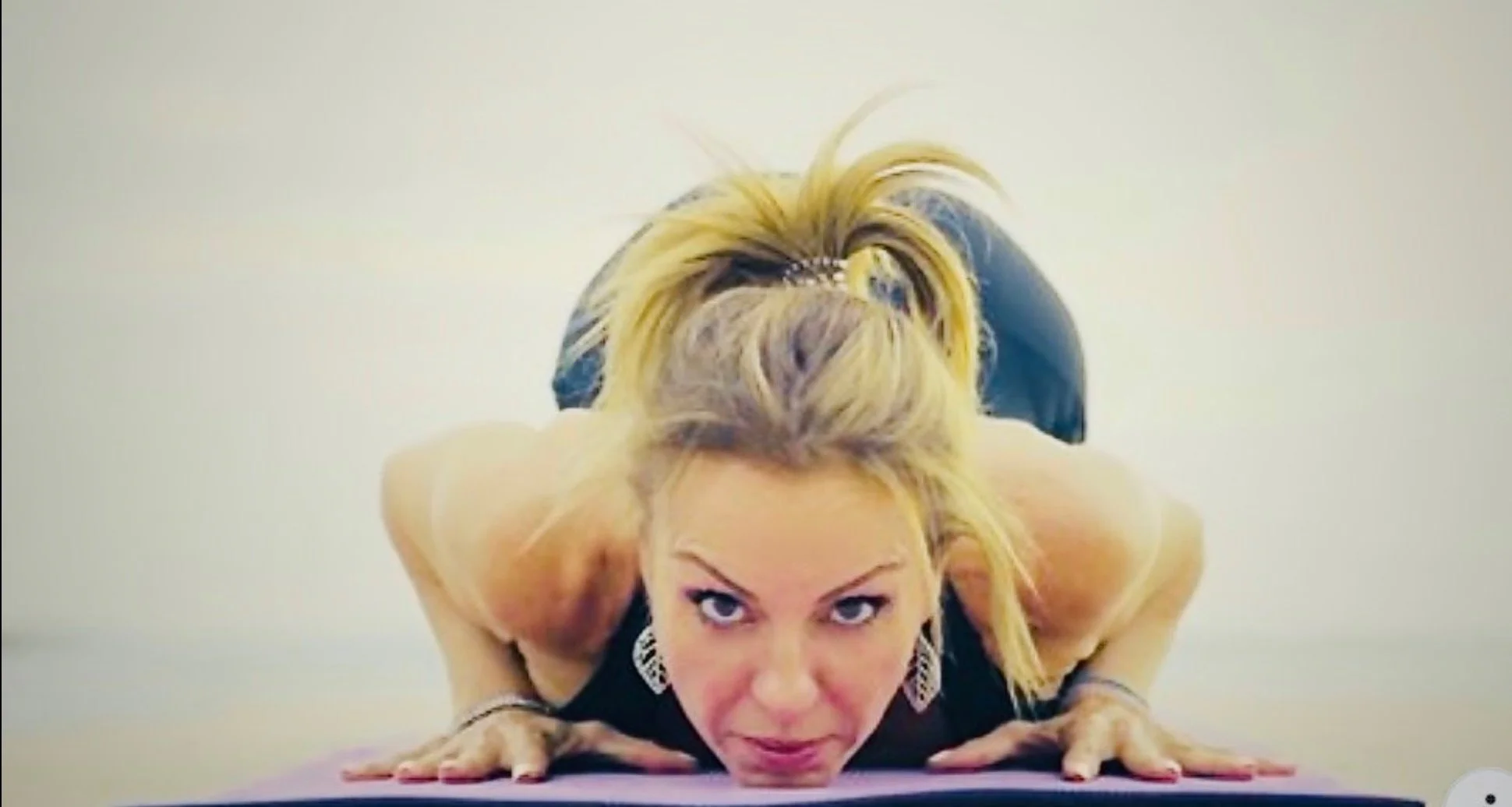
For many years, the concept of wellness was presented as something that had to be achieved, with plans, goals, discipline, and continuous improvement.
In practice, however, for many people, wellness ended up feeling more like yet another obligation. Another "must."
I must exercise.
I must eat right.
I must meditate.
I must sleep better.
I must be calmer, more balanced, more productive.
And yet, if there is one thing that both scientific knowledge about stress and everyday experience show, it is that the body does not thrive under pressure, even when that pressure is cloaked in the guise of "self-care."
When wellness goes against the body
The human body is not a project.
It is a dynamic biological self-regulating system, designed to maintain balance — what we call homeostasis in physiology.
When we live under chronic stress, the nervous system remains in a state of alert. This affects:
sleep
digestion
immunity
concentration
emotional regulation
Under these conditions, imposing "perfect" wellness practices often backfires. Instead of reducing the burden, it increases it. Instead of restoring balance to the body and mind, it takes it away.
The body does not need more correction.
It needs security.
The scientific basis of the gentle approach
Today we know that true well-being does not start with willpower, but with the nervous system.
When the body feels safe, recovery mechanisms are activated: better sleep, lower cortisol, more stable energy.
Holistic health does not mean "doing everything."
It means choosing what my body can accept right now.
Sometimes that means movement.
Other times, it means rest.
And very often, it's simply stopping ignoring the signs.
Fatigue that doesn't go away.
Irritability for no apparent reason.
Tension in the body even in moments of calm.
These are not character flaws. These are information.
Wellness as a relationship, not a goal
The approach I consider essential—and which we will explore in this column—does not view wellness as something we "achieve," but as a relationship we cultivate.
A relationship with:
our body
our energy
our limits
our daily life as it really is, not as we would like it to be
This means that two people can have completely different wellness practices and both be perfectly healthy. There is no universal wellness routine. There is only coordination.
We live in a time when information about health is abundant, but connection with ourselves is rare.
This column is not intended to add yet another "wellness protocol." It aims to provide a space for reflection, understanding, and reconnection.
We will talk about:
stress and the nervous system
daily self-regulation practices
the body as an indicator of balance
wellness without guilt or coercion
With a scientific basis, but in human language.
With respect for the body, not control over it.
A different starting point
Perhaps wellness does not begin with "what else can I do."
Perhaps it begins with "what can I stop pushing myself to do."
Instagram: https://www.instagram.com/isoulyoga/
Facebook: https://www.facebook.com/ioannasoulioti/